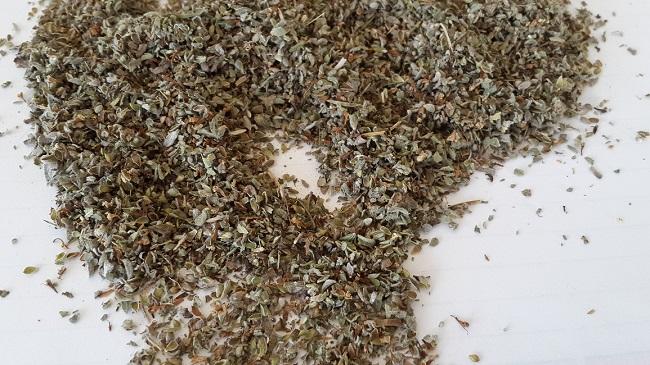
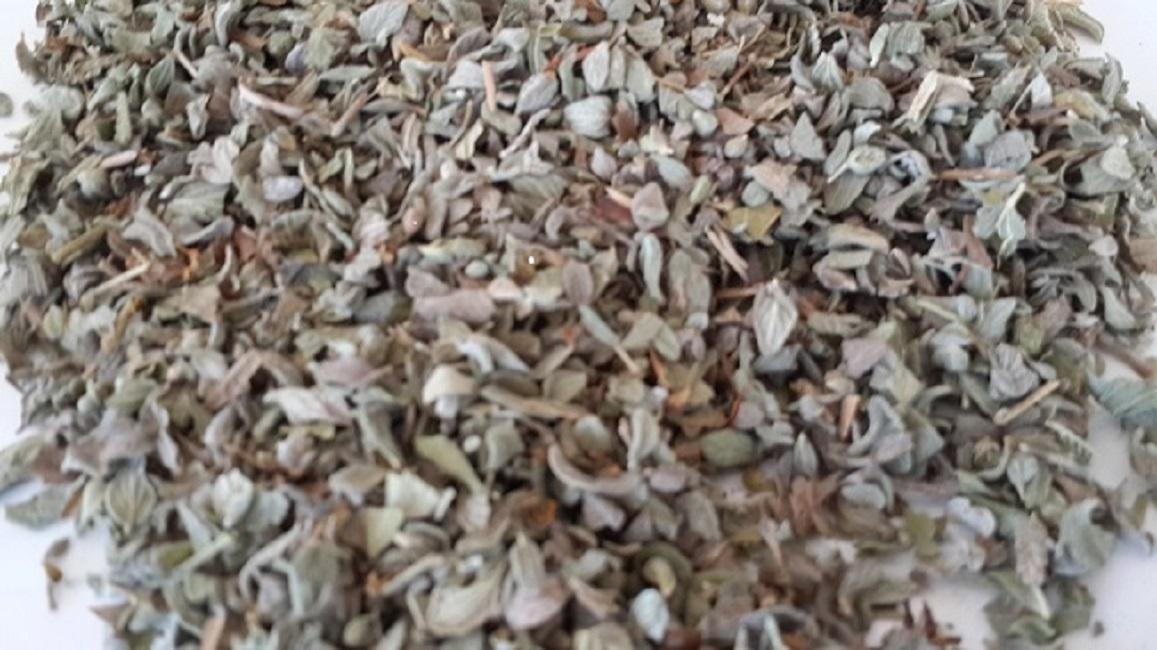
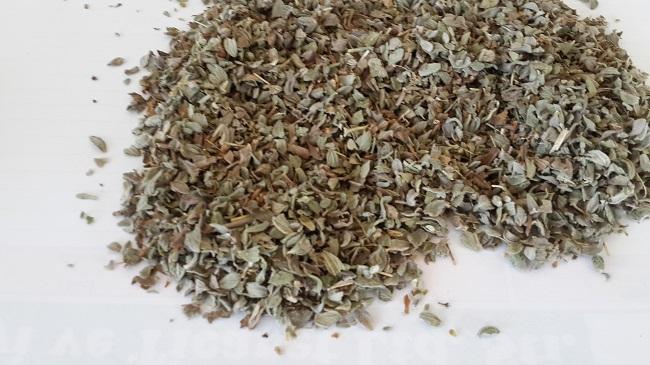
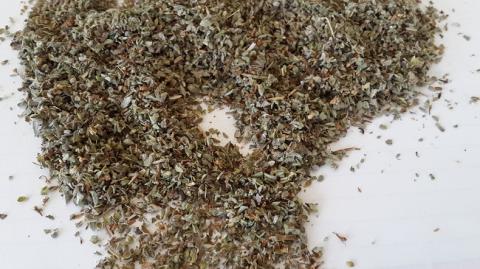
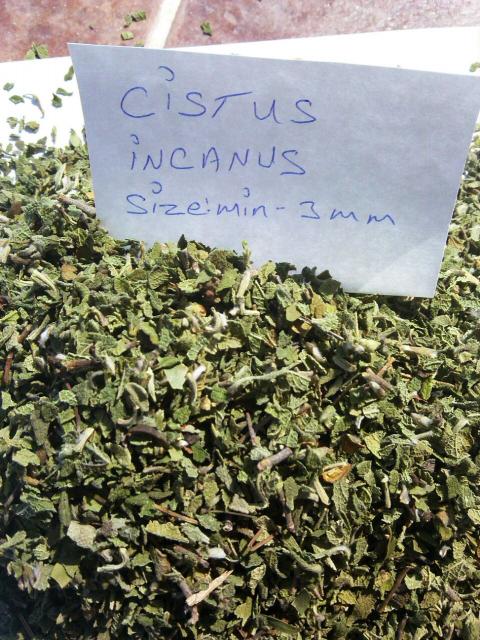
Medeterrian Wild Thyme
Wild Thyme is an important culinary herb, used for the flavour of its
leaves, which can be more flavourful when dried than fresh. It
has anaromatic, warm and slightly bitter taste, which can vary in
intensity. Good quality Wild Thyme may be strong enough almost to numb the tongue,
but the cultivars adapted to colder climates often have a lesser flavor.
Factors such as climate, seasons and soil composition may affect the aromatic
oils present, and this effect may be greater than the differences between the
various species of plants. Among the chemical compounds contributing to the
flavour are carvacrol, thymol, limonene, pinene, ocimene,
and caryophyllene
Thyme's most prominent modern use is as the
staple herb of Italian-American
cuisine. Its popularity in the US began when soldiers returning from World
War II brought
back with them a taste for the “pizza herbâ€, which had probably been eaten
in southern Italy for centuries. There, it is most frequently used with
roasted, fried or grilled vegetables, meat and fish. Unlike most Italian herbs, Wild Thyme
combines well with spicy foods, which are popular in southern Italy. It is less
commonly used in the north of the country, asmarjoram generally is preferred.
The herb is also widely used in Turkish, Palestinian, Lebanese, Egyptian, Syrian, Greek, Portuguese, Italian, Spanish, Philippine and Latin
Americancuisines.